
About Bangladesh
A Rising Star in South Asia’s Economic Landscape
Bangladesh, a rapidly developing economy in South Asia, has gained international recognition as a rising economic power. Its geographical position, population advantage, industrial growth, and business-friendly legal and financial structure make it an attractive destination for both local and foreign investors.
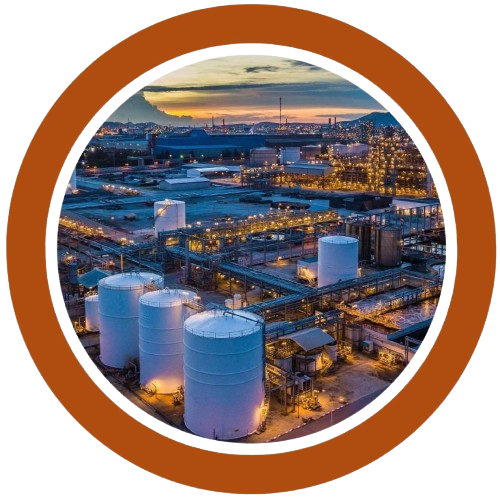
Explore the Business Ecosystem
Dig deeper into the institutions that regulate, represent, and support doing business in Bangladesh.
Geographical Location & Connectivity
Sitting at the crossroads of South and Southeast Asia, Bangladesh borders India on three sides, Myanmar to the southeast, and the Bay of Bengal to the south — a natural gateway for regional trade, connectivity, and transshipment.
Demographics & Human Capital
With an estimated population of over 171 million (2024) — the world's eighth most populous nation — and a median age of 27.6 years, Bangladesh offers a large, young, and cost-competitive workforce that underpins its labor-intensive industries.
Industrial Landscape & Export Power
Beyond ready-made garments, the industrial base now spans pharmaceuticals, IT & ITES, ceramics, jute, shipbuilding, and agro-processing — placing Bangladesh among the world's top three apparel exporters, behind only China and Vietnam.
Trade & Investment Opportunities
A liberal trade regime gives Bangladesh duty-free, quota-free access to the EU, UK, Canada, Japan, and Australia under EBA/GSP, alongside active participation in SAFTA, BIMSTEC, and the WTO — backed by a fast-growing network of economic zones.
Legal & Regulatory Framework
Business law has been modernized to support FDI and ease of doing business — the amended Companies Act allows a One Person Company, up to 100% foreign ownership in most sectors, and no local partner is required to register a foreign company.
Financial Structure & Banking Ecosystem
Bangladesh Bank regulates a deep financial sector of 61 scheduled banks and 34 non-bank financial institutions, with digital banking expanding rapidly nationwide.
Fiscal Incentives & Growth Outlook
Investors benefit from tax holidays of 5–10 years, accelerated depreciation, export subsidies, and full repatriation of capital and profits — fueling projected GDP growth of 6.5–7.0% annually as landmark infrastructure comes online.
Export Ecosystem: Goods, Markets & Procedures
Exports hit a record USD 55.6bn in FY2022–23, led by ready-made garments (~81%), with fast-growing pharmaceuticals, ICT/ITES, jute, leather, and agro & seafood reaching 150+ countries. Exporters register with CCI&E for an Export Registration Certificate, meet product-specific certifications (HACCP, BSTI, DGDA), and can access cash incentives, EDF low-interest loans, and EPZ/FTZ tax holidays.